House & Property Clearance

Full House Clearance

A full house clearance removes the agreed contents of a home so it can be sold, let or handed back. iTrade is based in North Walsham and travels to properties in Norfolk. Before work starts, you agree in writing which rooms and outbuildings are included, what stays, whether carpets and curtains go, and how many visits the job is likely to need.

Quick answer

Who it is for: Homeowners, families, landlords, executors and agents who need a property emptied of its agreed contents.

What it covers: Furniture, appliances and general contents in the agreed rooms. Loose contents from lofts, garages, sheds and gardens are included only when listed and assessed. Fitted items and structures are not automatically part of a full house clearance.

When a survey is needed: Photographs or a short survey come first, so volume, access and any bulky or specialist items are priced from what is actually in the property.

Start with the outcome you need: an empty home for an estate agent, a cleared rental or space for builders. Room count alone does not describe the job. A sparsely furnished three-bedroom house can involve less loading than a smaller home with packed cupboards and a full garage.

Make a simple inventory before the assessment. List what stays, what goes and what is still undecided. Furniture going to relatives, personal papers and items awaiting valuation should stay outside the removal scope until you give clear instructions.

List storage areas and fitted items separately. Clearing loose contents from a loft, garage or shed does not automatically include dismantling the structure or removing fittings. Record any requested carpet or curtain removal as an assessed addition, and agree the expected visits and handover.
Customer feedback

Support through a difficult house clearance

5/5 on Google

“Kirsty, Joff and the iTrade team did a brilliant job clearing my late parents house and helping to prepare it for sale. They were very professional and communication was great from start to finish with prompt updates.”

Emily Rudman Excerpt from a Google review

Scope

What is included, what needs checking, and what is not

Included as standard
  • Clearance of the agreed rooms: furniture, white goods, soft furnishings and general contents
  • Loft, garage, shed and garden items listed in the scope, where access allows
  • Setting aside belongings you have asked to keep
  • Separating suitable contents for available reuse and recycling routes, with appropriate disposal for the remainder
  • A check of the cleared areas against the agreed scope at handover
Conditional or quoted separately
  • Carpet, underlay and curtain removal, if listed in the quote
  • Furniture that needs safe dismantling to leave the room, assessed and agreed before removal; structural dismantling and building work are excluded
  • Properties with restricted access, upper floors or difficult parking
  • Materials outside normal household contents, which are not assumed to be accepted and must be flagged before quoting
  • Work spread over more than one visit, where volume or your timetable makes that sensible
Not included
  • Suspected asbestos requires a separate, competent assessment. Some asbestos work requires an HSE-licensed contractor
  • Chemicals, fuels, gas bottles, fireworks, and clinical or medical waste
  • Anything you have not authorised for removal
  • Deep cleaning, sanitisation, repairs, gardening, structural dismantling and moving retained belongings to another property

How the work runs

From first enquiry to handover

  1. Enquiry

    Tell iTrade the address, rough size and how full the property is, plus access details and any deadline.

  2. Survey or photographs

    iTrade confirms volume, access and any bulky or specialist items from photographs or a short visit.

  3. Written quotation and scope

    You receive a written quote listing the rooms, storage areas, retained belongings, exclusions, assessed additions and expected visits before work begins.

  4. Clearance

    The team works room by room to the agreed scope, sets aside retained belongings and separates reusable and recyclable materials. If the job is staged, each visit covers the areas agreed for it.

  5. Handover and records

    The completed area is checked against the agreed scope. Before booking, confirm which waste transfer record applies to the job, who will issue it and who must retain it.

What does a full house clearance leave behind?

Full clearance describes the agreed contents, not a promise to strip a building back to bare walls. Decide what the next person should find, then record it room by room.

Rooms and storage included

Name every room, cupboard and assessed storage area. A loft or garage is not included just because it belongs to the same address. State any area that must remain untouched.

Belongings and fittings staying

List furniture reserved for relatives or a buyer, together with carpets, curtains and fitted items that remain. Mark undecided belongings separately; they are not authorised for removal.

The check at completion

Compare the cleared areas with the written list, including anything deliberately left in place. Agree who can approve the handover before booking. Cleaning, repairs and structural dismantling need separate providers.

Use the room-by-room clearance checklist when agreeing the scope. For the price, compare the actual work behind a house clearance quote, not bedroom count alone.

Clearance photographs

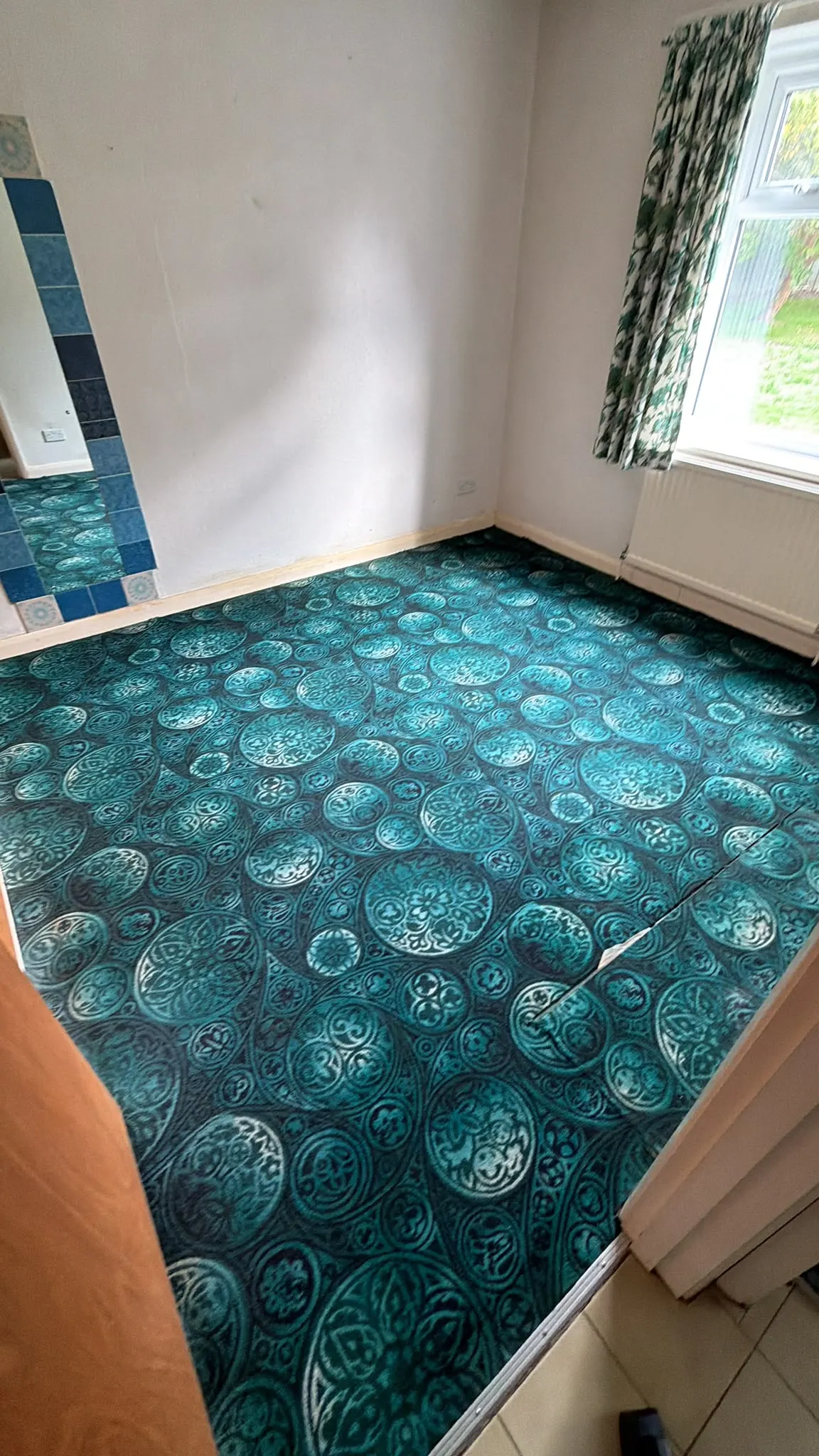
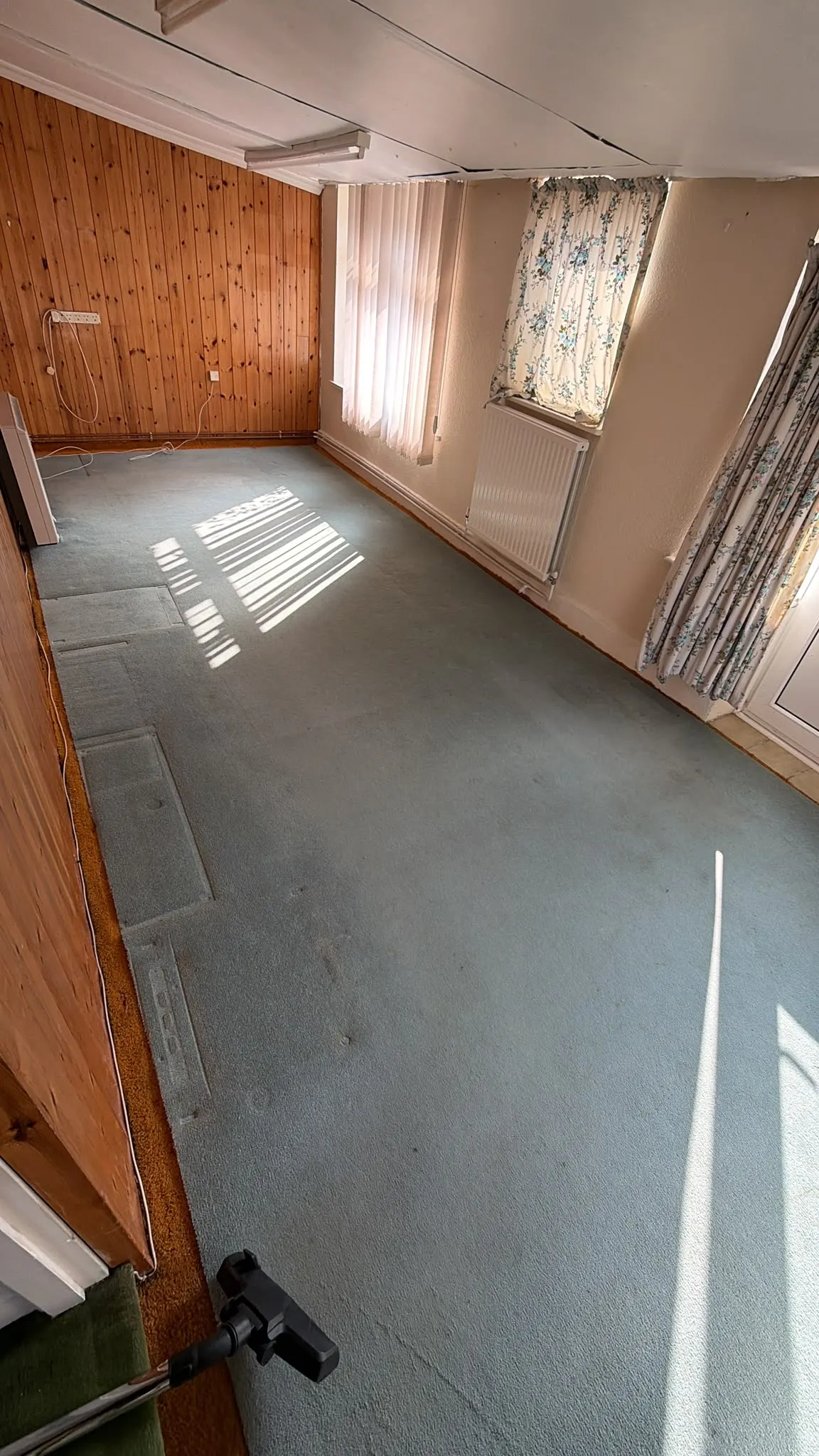
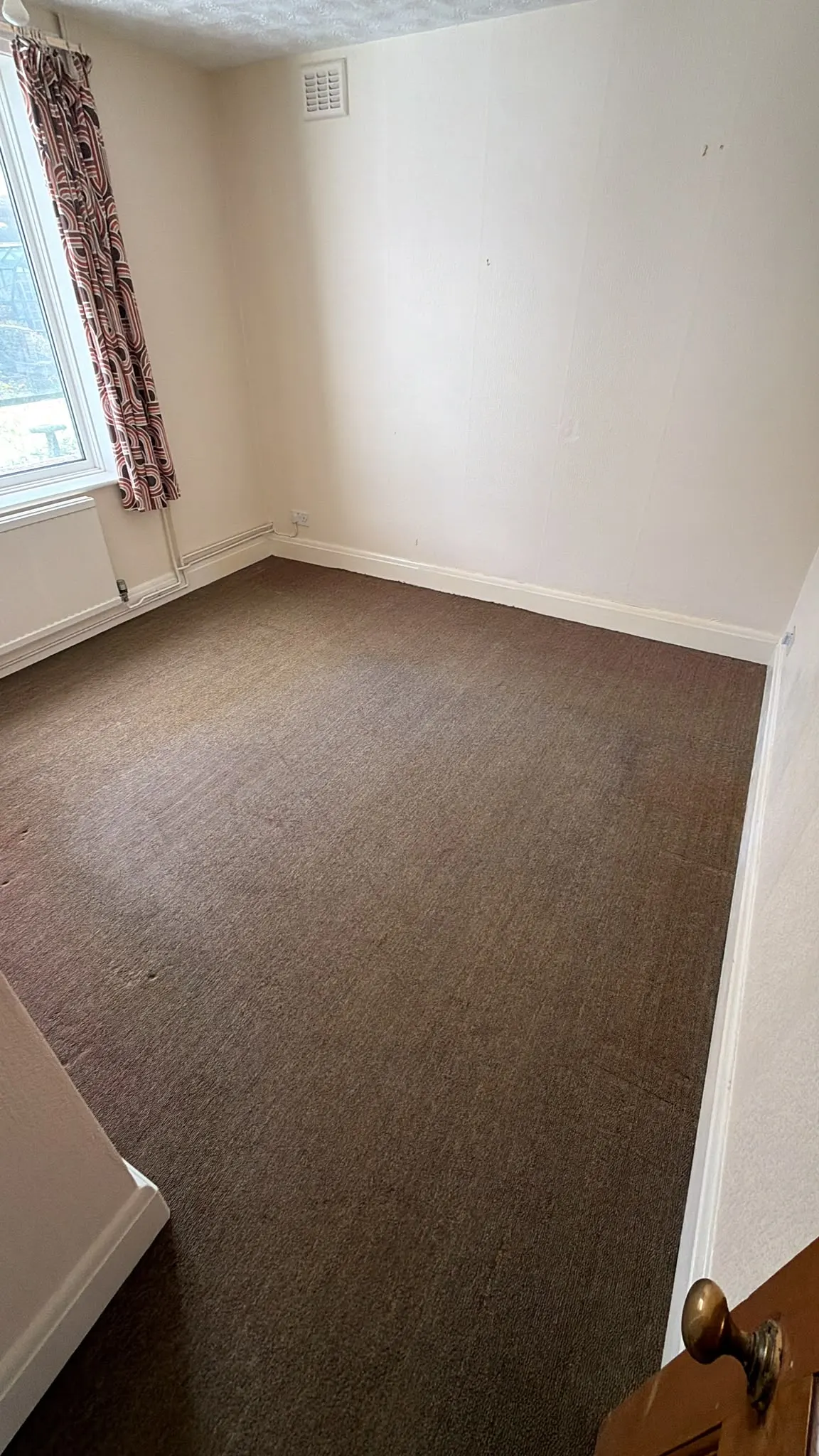
Rooms and retained fittings after clearance

These photographs show cleared floor space with carpets or fitted features still in place. They illustrate the finish to agree, not a promise that every fixture is removed. Use them to explain which furnishings and fittings should remain at your own handover.

View more clearance photographs

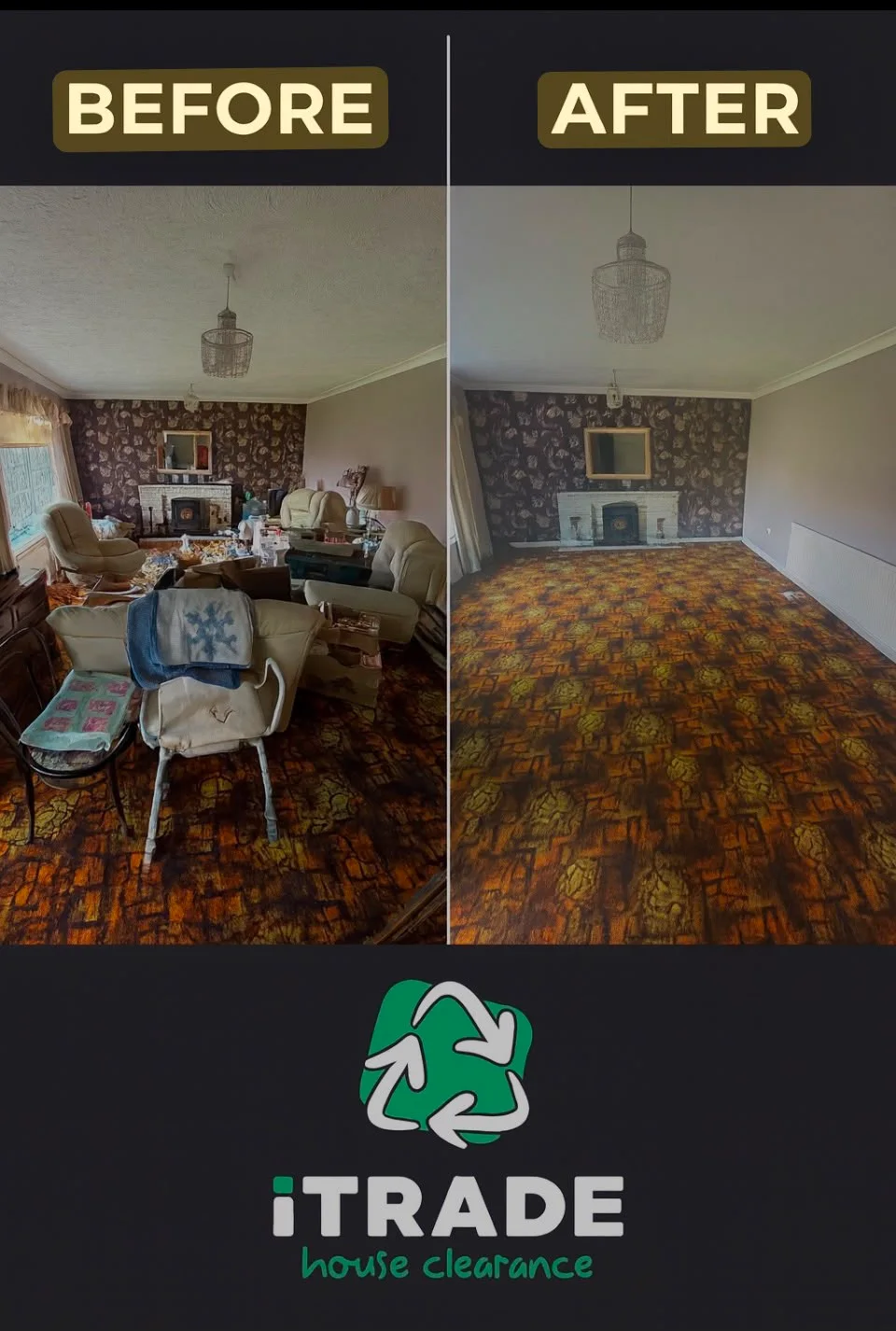
Before-and-after comparison showing movable contents removed from a lounge
A furnished lounge before clearance and the same room after movable contents were removed.

Your quote

What affects the price

Factors iTrade weighs when quoting
FactorWhat it means for your quote
Volume of contentsThe contents to be removed determine loading space and labour. Include cupboards, lofts and outbuildings in photographs rather than judging by bedroom count alone.
Access and parkingStairs, upper floors, narrow doorways and how far items must be carried to the vehicle all affect time and cost.
Material type and weightHeavy materials, appliances needing WEEE handling and items with separate disposal routes are priced differently from light general contents.
ExtrasCarpets, curtains and loose contents in storage areas change the scope only when assessed and listed in the quote.
Saleable itemsPotential resale value is assessed during the quotation. Any agreed purchase, credit or offset is itemised in writing before work begins; no value adjustment is assumed.

Responsible handling

What happens to your belongings and waste

The order iTrade works through, from keeping to disposal
StageWhat happens
KeepBelongings identified as retained in the agreed scope are left in place or set aside as instructed; undecided items are excluded from removal.
Reuse and donateSuitable items are kept separate for reuse when an appropriate receiving route is available. Acceptance depends on condition, safety and the receiving organisation’s current criteria.
RecycleRecycling depends on the material, condition and receiving facility's acceptance. Agree how electrical items, upholstered seating and mixed contents will be handled before booking.
Responsible disposalContents that cannot use a suitable reuse or recycling route go for disposal through an authorised receiving route, with the appropriate waste records.

Before you enquire

What to have ready for an accurate quote

  • The more of this you can share, the faster iTrade can give a realistic figure:

Reassurance and compliance

If you pay someone to take away household waste, you have a duty of care under section 34(2A) of the Environmental Protection Act 1990. GOV.UK advises checking private waste companies on the Environment Agency register. Using a registered carrier is part of taking reasonable care; it does not pass all of your responsibility to the carrier.

iTrade Recycling Limited's waste carrier registration number is CBDU521652. Follow the official register link below and check the current entry, including its tier and expiry date, before you book.

Read the full guide: how to check a waste carrier registration

Official guidance

Check the official guidance

Use these official records and guidance pages to check the waste, safety or legal information referenced above.

Common questions

Frequently asked

Will the whole house be cleared in one visit?

Not always. A lightly furnished home may be cleared in a single visit, but a full property with a loft and outbuildings can need more. The written quote sets out the expected visits and timescale for the assessed job, so you can plan around a sale or tenancy date.

Do carpets and curtains have to go?

No. They are only removed if you ask. Tell iTrade when you enquire so they appear in the quote. If a buyer or new tenant has agreed to take them, leave them out of the scope.

What if we haven't decided about some items?

Mark them as undecided and leave them outside the removal scope. Labels and a room-by-room list are enough; do not move heavy items to group them together. Any later addition needs agreement on scope, price and timing.

Can the loft, garage and sheds be included?

Yes, where access is safe. List each one separately and send photographs, because outbuildings often hold heavier or mixed materials that change the price.

Do you clean or repair the property afterwards?

No. iTrade's service is the clearance itself. If the property needs cleaning, repairs or garden work before a sale or letting, arrange that separately for after the contents have gone.

What happens to items of value?

Anything you mark to keep is set aside. Possible resale value is discussed during the quotation, and any purchase, credit or offset is written into the quote before work starts. Do not assume a reduction unless it is itemised.

What can't you take away?

Chemicals, fuels, gas bottles and clinical waste need a specialist route. If asbestos is suspected, work near it should stop until a competent assessment has been made; some asbestos work requires an HSE-licensed contractor.

Practical guidance

Guides related to full house clearance

Talk it through

Tell iTrade about the property

Share a few details and get a clear, no-obligation quote. If it helps to talk first, call and we will guide you through what is involved.