
House & Property Clearance

Partial House Clearance

A partial house clearance removes only the rooms, areas or items you have chosen, and the rest of the home stays as it is. It suits downsizing, clearing a single room or floor, and removing one person's belongings while the household carries on living there.

Quick answer

Who it is for: Norfolk households that need some of a property cleared but not all of it. This includes people downsizing, families clearing one person's belongings, and anyone emptying a room, floor, garage or loft.

What it covers: The agreed rooms, areas or items only. They are sorted and removed, and your retained belongings and anything still undecided stay in place.

When a survey is needed: Clear photographs are often enough for a smaller, well-defined job. A survey visit helps when there is a lot to remove, when access is awkward, or when what stays and what goes is spread through the same rooms.

A partial clearance removes a defined part of the contents: the back bedroom and the garage, for example, or furniture that will not fit the new flat. A full house clearance covers the agreed contents throughout the property. Choosing the right scope at the assessment avoids booking separate removals for a job that would be better planned together.

If any of the contents belong to an estate, confirm authority and valuation requirements before anything is shared out or removed.

If you are still living in the home, agree which rooms and routes the team can use and where retained belongings will stay. Tell iTrade about shared entrances, stairs and available parking. Planning a separate space for pets while furniture is carried out helps keep the loading route clear.

The keep, remove and undecided groups are written into the agreed scope before work begins. On the day, the team works to that list. Anything not on it stays where it is, including items you are still deciding about.
Scope

What is included, what needs checking, and what is not

Included as standard
  • Removal of the specific rooms, areas or items agreed in writing
  • Careful working around retained belongings and the rooms you are still using
  • Leaving anything marked keep or undecided in place, or setting it aside where you have asked
  • Sorting removed items for reuse, recycling and responsible disposal
  • Checking the cleared areas against the agreed contents list at handover
Conditional or quoted separately
  • Adding items or rooms on the day, only after the addition has been agreed and priced
  • Heavy or bulky single items, such as a piano or large appliance, that need extra labour
  • Furniture that has to be taken apart to fit through doorways or down stairs
  • Access limits such as upper floors, narrow staircases, long carry distances or shared parking
Not included
  • Suspected asbestos, which needs a separate, competent assessment. Some asbestos work requires an HSE-licensed contractor
  • Chemicals, fuels, gas bottles and clinical waste
  • Anything marked keep or undecided, and anything not agreed for removal

How the work runs

From first enquiry to handover

  1. Tell us what is going

    Call iTrade on 01692 404999 or use the contact page. Describe the rooms or items you want cleared, what must stay, and who will be living in the home while the work is done.

  2. Agree the boundary

    From photographs or a survey visit, iTrade confirms what is in scope, what stays, and anything you are still deciding about. Access, parking and any heavy items are noted at the same time.

  3. Written quotation and booking

    You receive a written quote for the agreed scope before work starts. The booking and expected duration are confirmed around your move, access arrangements and the assessed contents.

  4. Clearance on the day

    The team removes only the agreed items and works around the people and belongings that are staying. If you want to add anything, it is agreed and priced with you before it is removed.

  5. Walk-through and handover

    Before the team leaves, you check the cleared areas together against the agreed list and confirm that kept and undecided items are where you expect. Before booking, ask which written record of the waste removal applies to your job, who will issue it, and who should keep it.

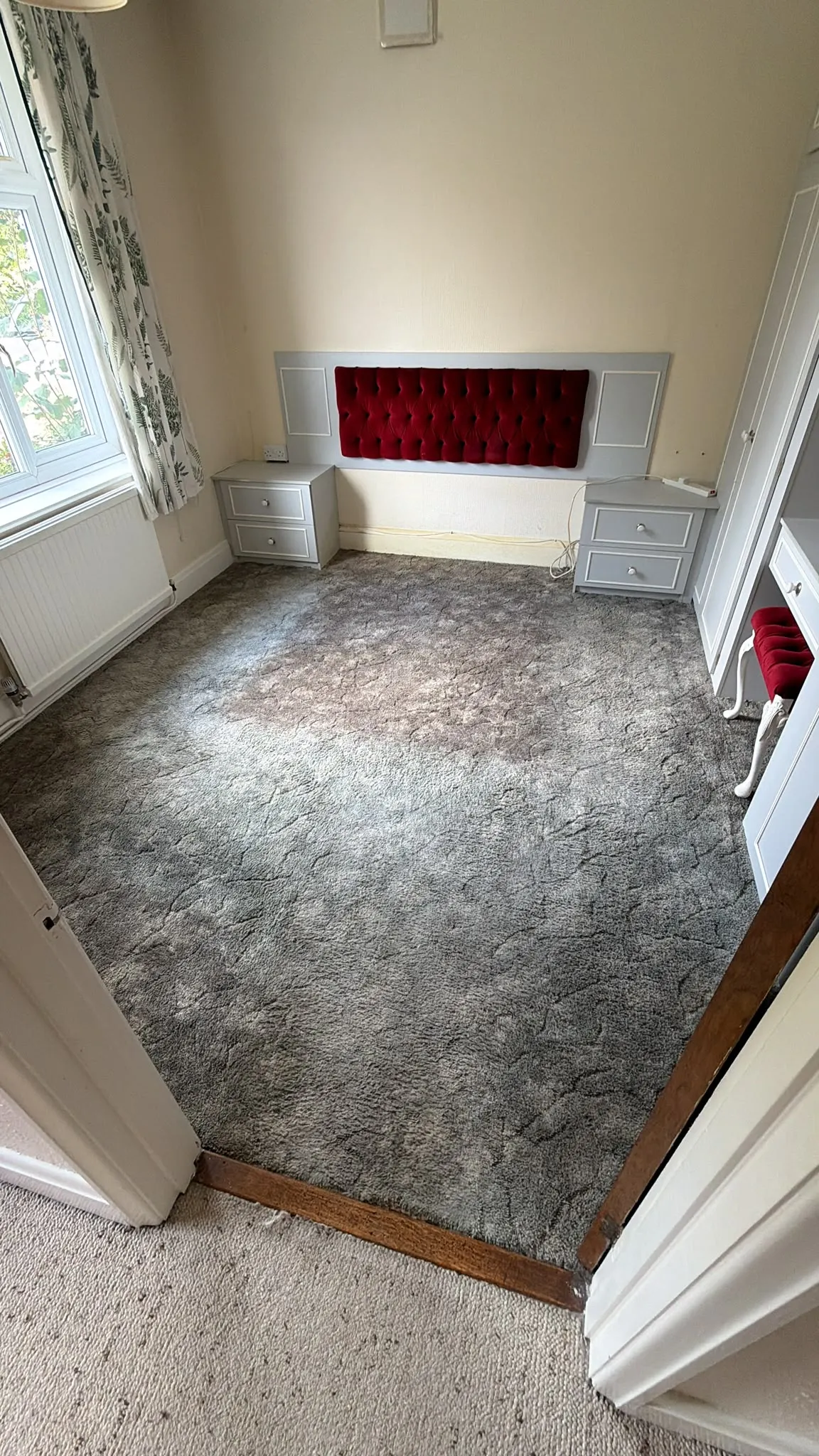
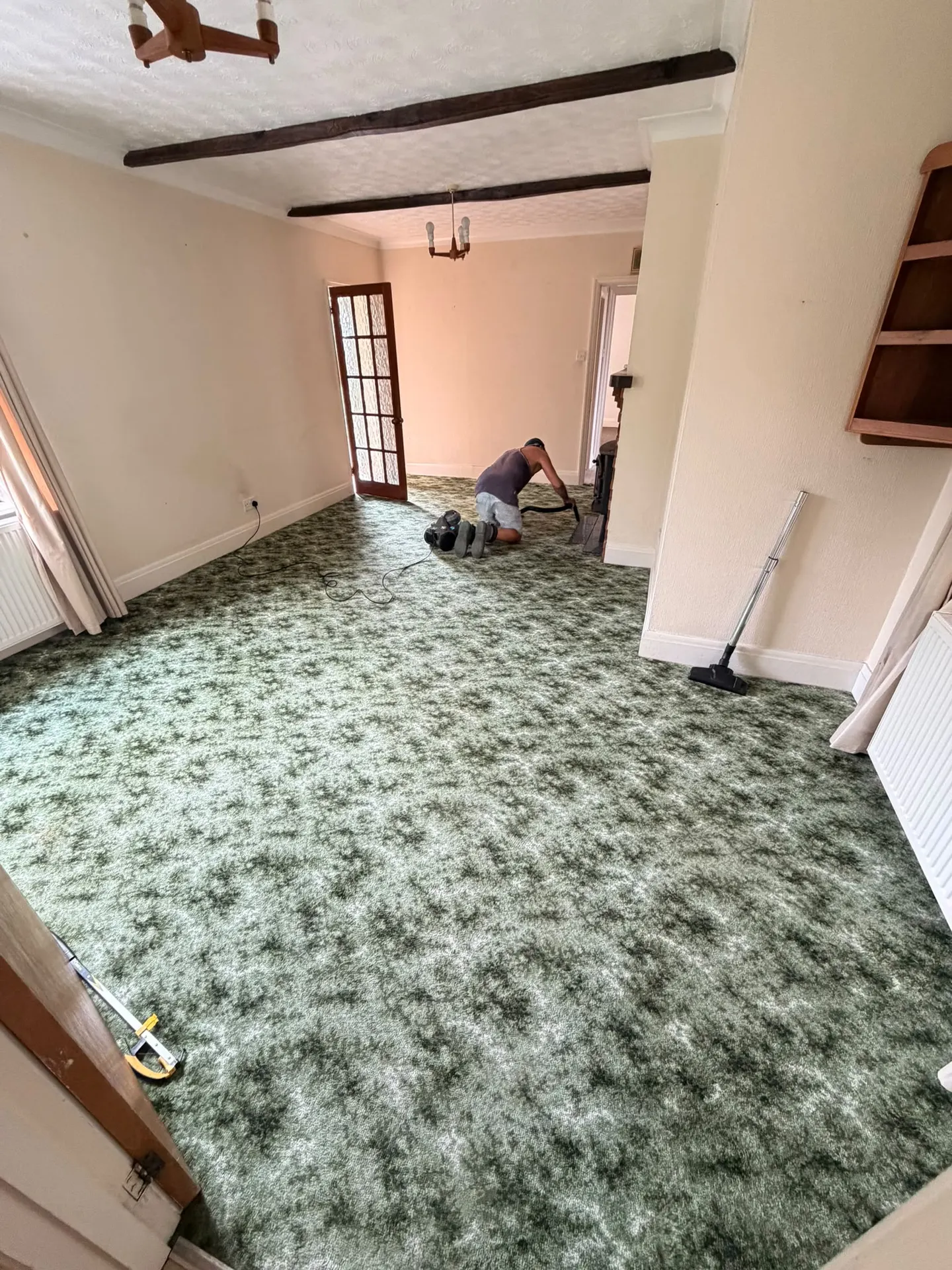
Clearance photographs

Rooms and retained fittings after clearance

View more clearance photographs

Your quote

What affects the price

Factors iTrade weighs when quoting
FactorWhat it means for your quote
Volume within the agreed scopeHow much is coming out of the selected rooms or areas, from a few large pieces to a fully packed spare room.
The items themselvesHeavy or specialist items, such as a piano, large appliances or solid wardrobes, are priced differently from light general contents.
Dismantling and handlingFurniture that needs assessed dismantling or additional labour on stairs changes the work involved.
Access and parkingFloor level, stair width, carry distance to the vehicle and whether parking is close by or shared.
Working around an occupied homeClearing room by room around people and retained belongings can take longer than clearing an empty property.
How sorted the contents areContents already grouped into keep, remove and undecided are quicker to handle than mixed boxes that need going through.

Responsible handling

What happens to your belongings and waste

The order iTrade works through, from keeping to disposal
StageWhat happens
KeepBelongings identified as retained in the agreed scope are left in place or set aside as instructed; undecided items are excluded from removal.
UndecidedItems you are still thinking about are kept separate and are not removed. If you decide on the day, any addition is agreed and priced first.
Reuse and donateSuitable items are kept separate for reuse when an appropriate receiving route is available. Acceptance depends on condition, safety and the receiving organisation's current criteria.
RecycleRecycling depends on the material, condition and receiving facility's acceptance. Agree how electrical items, upholstered seating and mixed contents will be handled before booking.
Responsible disposalContents that cannot use a suitable reuse or recycling route go for disposal through an authorised receiving route, with the appropriate waste records.

Before you enquire

Planning a downsizing or partial house clearance

Sort the contents into three groups: what moves with you, what stays in the property and what iTrade clears. Only the third group is removed. Anything you have not decided about stays out of the clearance, and moving kept furniture to your new home is arranged separately.

Reassurance and compliance

Householders hiring a private clearance company must check that it is legally allowed to carry their waste. Use the Environment Agency's Upper Tier register and keep the quotation and collection details.

iTrade Recycling Limited's waste carrier registration number is CBDU521652. Use the official register link below to check the current entry, tier and status before booking.

Read the full guide: how to check a waste carrier registration

Official guidance

Check the official guidance

Use these official records and guidance pages to check the waste, safety or legal information referenced above.

Common questions

Frequently asked

Do I need a partial clearance or a full house clearance?

If some rooms, furniture or people are staying, a partial clearance is usually the right choice. If almost everything is going and the property will be left empty, a full house clearance is often simpler to plan and quote.

We are downsizing but have not decided about everything yet. Can you still help?

Yes. Identify undecided items with labels or a written list; you do not need to move heavy furniture. They remain excluded from removal. Any later addition needs agreement on scope, price and availability before it is taken.

Can you work while we are still living in the house?

Yes. Agree the rooms to be cleared, the route to the vehicle and where retained belongings will stay. Let iTrade know who will be at home and about any pets or access arrangements so the work can be planned around the household.

How do you make sure you only take what we agreed?

The scope is confirmed in writing before the day, with keep, remove and undecided items set out. The team works to that list, and you walk through the cleared areas with them before they leave.

Can we add more on the day?

Yes, but only once the extra items have been agreed and priced with you. Nothing outside the agreed scope is removed until you have said yes.

What happens to furniture that is still usable?

Suitable items are kept separate for reuse where an appropriate receiving route is available. Acceptance depends on condition, safety and the receiving organisation's criteria. Items that cannot be reused follow an appropriate recycling or disposal route.

Practical guidance

Guides related to partial house clearance

Talk it through

Tell iTrade about the property

Share a few details and get a clear, no-obligation quote. If it helps to talk first, call and we will guide you through what is involved.